
Fed Chair Kevin Warsh’s Word Choice Points to More Rate Hikes Ahead

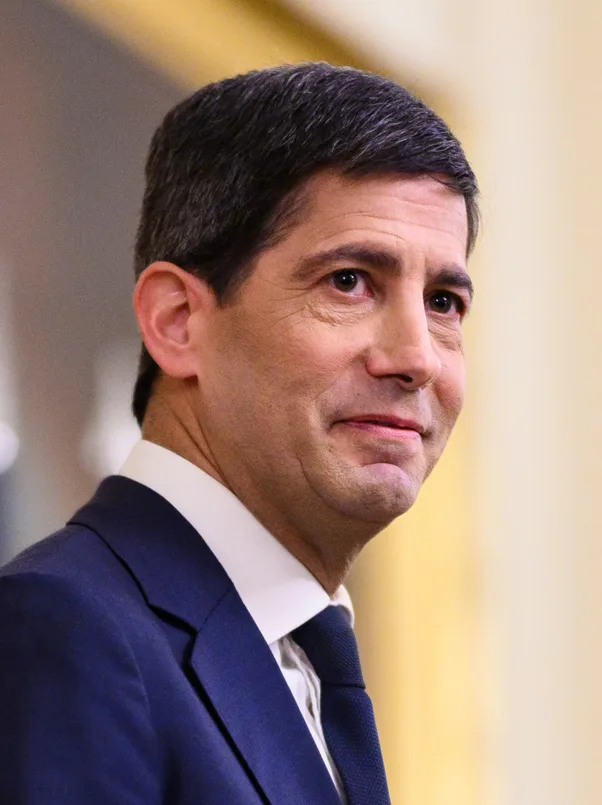
Federal Reserve Chairman Kevin Warsh described this week's quarter-point interest rate increase as removing a dose of accommodation from the economy, a choice of words that has Wall Street guessing how many more hikes are coming, CNBC reported.
The increase, approved Sept. 16, 2026, marks the first Fed rate hike since 2023 first Fed hike since 2023.
The Federal Open Market Committee voted unanimously to lift its benchmark rate by 25 basis points, or one-quarter of a percentage point, to a target range of 3.75% to 4%, according to the Fed's own transcript of the meeting.
What Warsh Actually Said
In central-bank terminology, accommodation refers to policy that stimulates growth, while restrictive policy holds it back.
Warsh's phrasing suggested officials do not view the higher rate as restraining the economy even after raising it, The Wall Street Journal reported.
Krishna Guha, head of economics and central bank strategy at Evercore ISI, called it the one standout hawkish element of Warsh's remarks, according to CNBC. Guha wrote in a client note that the phrasing was a deliberate choice, not a slip.
He said it raises the possibility of a more open-ended approach to how many additional increases might be needed.
Wall Street's Reaction
Warsh also pointed to geopolitical shocks, a reference to the Iran war and its effect on energy prices, as a factor behind the decision, the Journal reported.
Michael Gapen, chief U.S. economist at Morgan Stanley, said policymakers have more work ahead if they do not see current rates as restrictive and oil prices stay elevated.
Gapen raised his forecast to three total rate increases this year, up from two previously.
The two-year Treasury yield, which tracks short-term rate expectations, climbed to its highest level in more than two years after the decision, the Journal reported, extending a market reaction also tracked in recent coverage of Treasury yields coverage of Treasury yields.
Inflation Still Running Hot
According to the Fed's transcript, core personal consumption expenditures prices were running near 3.2% in August, with the consumer price index around 2.4%. Warsh said in the transcript that inflation remains too high and has been for more than five years.
The median official projection puts the federal funds rate at 4.1% by the end of 2026, holding there through 2027, per the Fed's Summary of Economic Projections.
What It Means for Borrowers
University of Michigan economist Justin Wolfers told The Contrarian's Jen Rubin that unemployment has stayed low and stable for about three years, while inflation has stalled well above the Fed's 2% target over the past year and a half.
Wolfers said Warsh has framed the move as taking his foot off the accelerator rather than pressing the brake, and Wolfers said that framing could signal further tightening ahead.
Wolfers attributed much of the current inflation to oil-price increases tied to the Iran war, including disruptions at the Strait of Hormuz and a Saudi pipeline closure, along with tariffs.
He also said heavy federal deficit spending has pushed up bond yields, which raises borrowing costs on mortgages for consumers.