
S&P 500’s Monday Rally Hid a Warning Signal Not Seen Since 1999

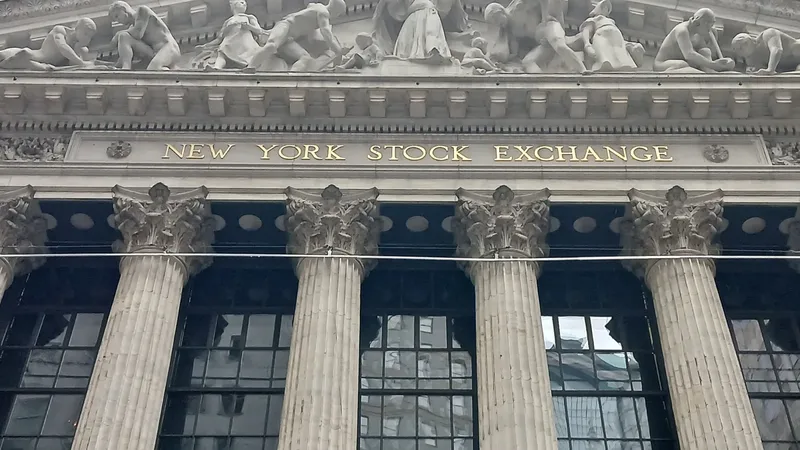
The S&P 500 climbed 1.49% on Monday, September 21, 2026, closing at 7,764.70, according to CNBC. The Nasdaq Composite jumped 2% to a fresh record the same day.
Beneath that surface strength, 30 stocks in the S&P 500 fell to new 52-week lows while only seven climbed to new 52-week highs, CNBC reported. That split matters for anyone tracking whether a rally has broad support or rests on a handful of winners.
A Pattern Last Seen at Two Market Peaks
A gain of at least 1% that leaves the index within 1% of a new high, paired with more new lows than new highs, is rare.
Jason Goepfert, founder of SentimenTrader and an adviser at NextGen News, said the last time it happened was December 21, 1999, just months before the Dotcom Bubble topped out, according to CNBC and confirmed by ieconomy.io.
Goepfert said in a social media post that the only other instance in market history was July 23, 1929. Both dates preceded major downturns, a pattern Monday's session now joins.
Narrow Leadership Behind the Gains
The rally was concentrated in three sectors: information technology, communication services and consumer discretionary.
Information technology sat less than 1% below its 52-week high, while communication services and consumer discretionary remained 4% and 7% below their respective peaks, according to FactSet data cited by both CNBC and ieconomy.io.
Art Hogan, chief market strategist at B. Riley Wealth, said the leadership group is fighting weaker performance elsewhere in the market.
He said stocks already selling off have an easier path to new lows than laggards do to new highs, since the current leadership is not broad enough to lift them.
Hogan added that similar sessions could recur in the coming months if sentiment stays subdued amid tensions in the Middle East. He said a sustained run to new market highs is unlikely if energy prices remain elevated and the Federal Reserve keeps raising interest rates.
The Fed raised rates to a range of 3.75%-4% earlier this year, its first hike since 2023, a move networth.com covered in .
What It Means for Everyday Investors
For retirement savers and other retail investors, the divergence is a reminder that a rising index number does not always mean rising fortunes across a full portfolio.
A fund tracking the S&P 500 can post a strong daily return while dozens of its underlying holdings sink to yearly lows.
Treasury yields have also been a factor in recent market swings, having eased back below 5% after the Fed's rate move, as networth.com .
Hogan's comments suggest that until leadership broadens beyond a few sectors, single-day gains may keep masking weakness in the rest of the market.