
Investor Wired $1.1 Million to Foreign Crypto Platform After Wall Street Tip. The FBI and Personal Banker Both Have Concerns.

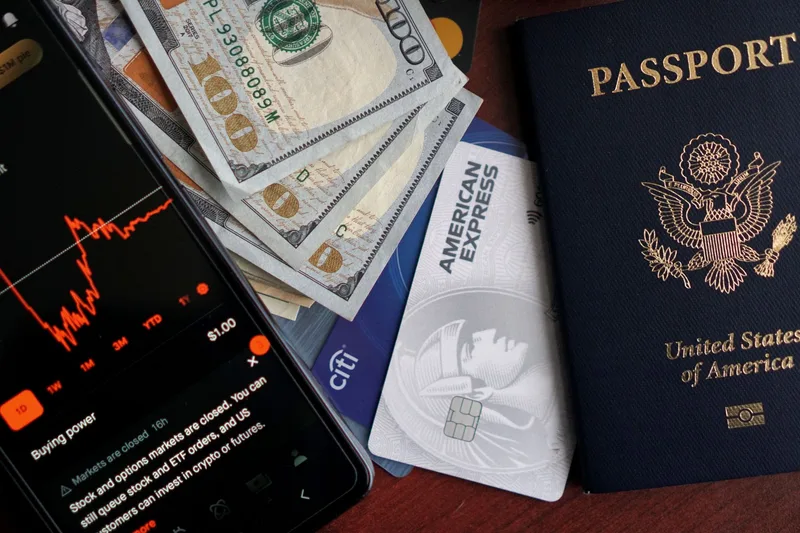
A crypto investor sent $1.1 million to a foreign cryptocurrency trading platform between late May and the end of June 2026, acting on the instructions of someone who identified herself as an executive vice president at a major New York investment bank.
As MarketWatch's Moneyist columnist Quentin Fottrell reported, the investor's personal banker now believes everyone involved in the arrangement is a scammer.
No funds have been recovered. The investor's account balance appeared to reach $2 million as of June 30, and the adviser had guaranteed it would climb to $20 million by late August.
How the Arrangement Worked
All communication between the investor and the self-described Wall Street executive ran through WhatsApp. The adviser directed every step: which trades to make, how to withdraw funds, how to execute wire transfers, and what to tell the investor's own bank.
Direct contact with the cryptocurrency broker was also handled entirely by the adviser.
The investor was told to keep the arrangement secret. The adviser warned that disclosing it could expose her to heavy fines and imprisonment under FINRA rules and her firm's internal policies.
FINRA is the Financial Industry Regulatory Authority, the self-regulatory body that oversees U.S. broker-dealers. Citing concern that doing so might reduce any recovery amount, the investor has not contacted FINRA.
Red Flags the Columnist Identified
Fottrell, writing for MarketWatch and syndicated to Morningstar, said he researched the crypto platform and found online discussion boards more than seven months old alleging it was a scam. Those posts predated the investor's first wire transfer.
Fottrell noted three warning signs in the arrangement. No legitimate investment carries a guaranteed return. Regulated financial advisers do not conduct client business over WhatsApp.
Account balances displayed on the platform are likely fabricated, whether the figure shown is $2 million or $20 million.
The numbers are fiction. The scheme fits a pattern sometimes called pig butchering, where fraudsters build trust over time before steering victims toward fake platforms that show impressive but entirely fictitious gains.
Where the Investor Stands Now
The investor filed a complaint with the FBI's Internet Crime Complaint Center. Agents determined the submission did not include enough detail to proceed. Attorneys contacted about the case have declined to take it, citing the foreign jurisdiction involved.
Fottrell advised the investor to provide the FBI with every document, communication, and identifying detail available.
He noted that the U.S.-based adviser, whether a genuine victim herself or an active participant, would likely be considered a person of interest in any investigation and a potential pathway to the broader network behind the scheme.
The investor remains unsure whether the funds are gone entirely or whether any recovery path exists.