
Fed Raises Rates to 3.75%-4%, First Hike Since 2023, With More Likely This Year

The Federal Reserve raised its benchmark interest rate by a quarter percentage point on Wednesday, lifting its target range to 3.75% to 4%, according to CNBC.
A basis point equals one-hundredth of a percentage point, so the 25-basis-point move marks the central bank's first rate increase since July 2023.
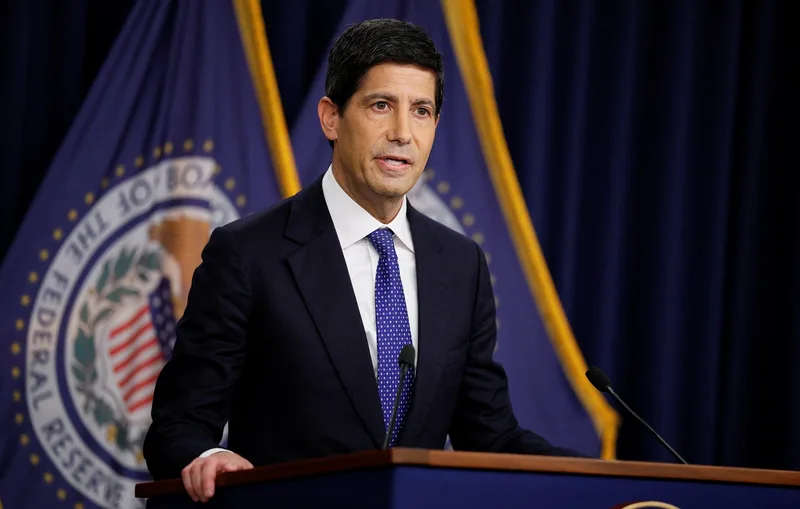
The Federal Open Market Committee approved the hike, CNBC reported. The vote was 12-0. Federal Reserve Chairman Kevin Warsh, who joined the unanimous decision, told reporters that inflation has been too high for too long.
The committee, he said, is not yet confident price growth is moving back to its 2% target at sufficient speed.
New projections released alongside the decision show a strong majority of officials see room for one more rate increase before the end of the year, CNBC reported. Reuters, via The Daily Record, reported that policymakers now expect inflation to stay above 2% until 2029.
Why the Fed Moved Now
Warsh said recent data show the economy and labor market remain strong. Inflation, though, stays elevated, according to CNBC. He pointed to tension in the Middle East as one factor behind the decision.
The Daily Record, citing Reuters, tied the price pressure to a broader mix of causes. Those include tariffs imposed under the Trump administration and an energy shock following the start of the U.S.-Israeli war with Iran.
Heavy capital spending tied to the artificial intelligence boom added further pressure.
Speaking to Yahoo Finance, Warsh said too many spending categories are still showing price increases above 3%. The economy, he added, is essentially at full employment. He does not see the Fed's inflation and jobs goals working against each other over the medium term.
Financial Conditions Called Not Restrictive
Warsh also told reporters he would be hard pressed to describe broad financial conditions as restrictive. The full committee shared that view, he said, according to The Daily Record. That assessment helped justify removing what he called a dose of policy accommodation.
The rate decision followed an August inflation report that CNBC described as persistently high. Most of Wall Street saw it coming. Markets had priced in better than a 90% chance of the move heading into Wednesday's meeting, per CNBC.
What Comes Next for Borrowers and Savers
A higher federal funds rate typically feeds through to variable-rate credit cards, home equity lines and new auto loans, pushing borrowing costs up. Savers, by contrast, tend to benefit.
They typically see higher annual percentage yields, or APY, on savings accounts and certificates of deposit as banks adjust to the new range.
Heading into the meeting, some analysts had also argued that equities could still climb despite the hike, even with inflation running hot.